Atrial fibrillation, or AFib, is a common heart rhythm problem where the upper chambers of the heart beat fast and out of sync. It can feel like fluttering, racing or pounding, or it may cause no symptoms at all. AFib matters because it raises the risk of stroke, so it is worth getting checked if your heartbeat feels off.
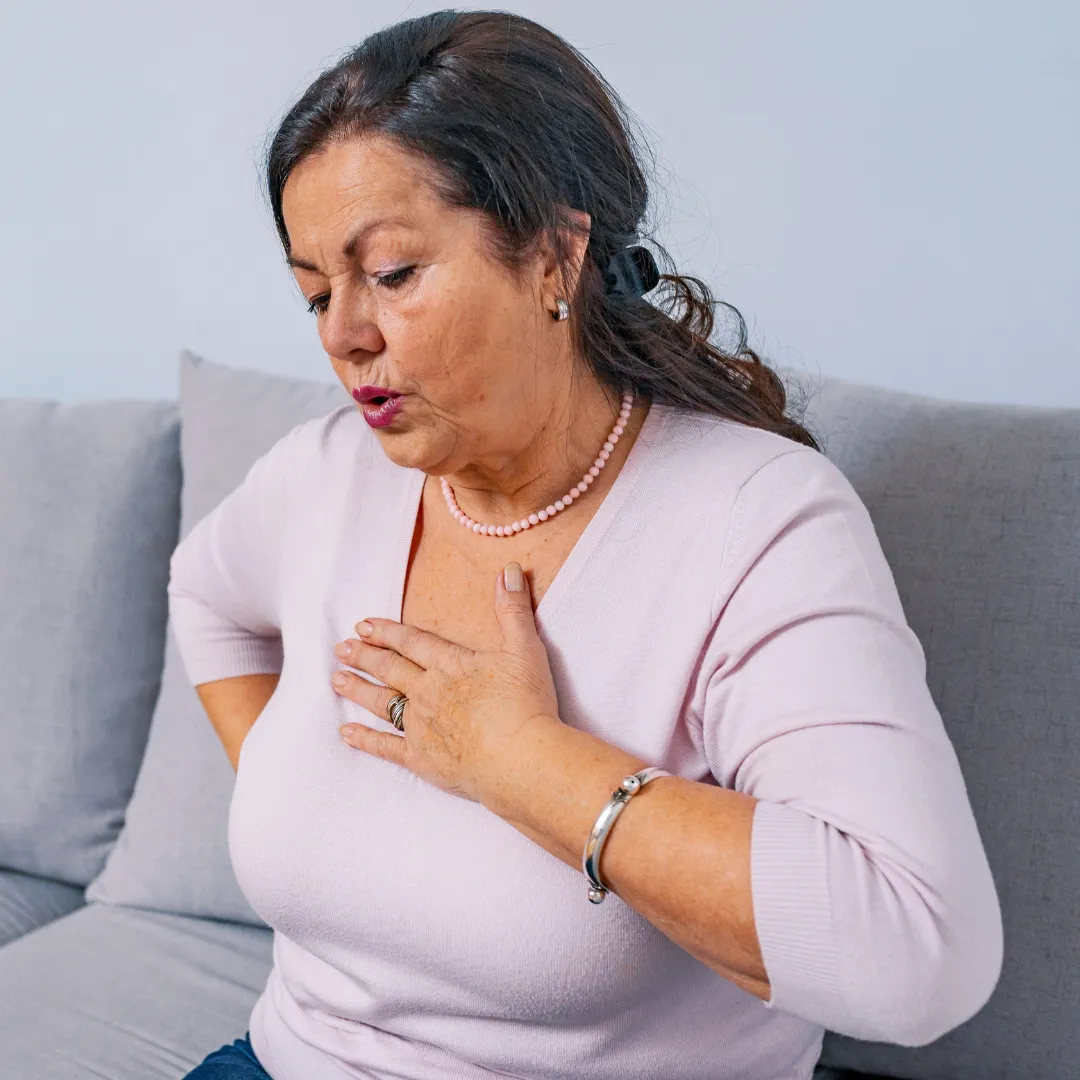
What AFib can feel like
- A fluttering, racing or irregular heartbeat
- Feeling tired or weak for no clear reason
- Shortness of breath, especially with activity
- Dizziness or lightheadedness
- Chest discomfort
Some people find out they have AFib during a routine check, an EKG, or from a smartwatch alert. A smartwatch alert is not a diagnosis, but it is a good reason to call your doctor.
Why AFib needs attention
When the upper chambers do not squeeze well, blood can pool and form clots. If a clot travels to the brain, it can cause a stroke. AFib can also wear on the heart over time. The good news is there are treatments that lower stroke risk and help control symptoms.
How it is diagnosed
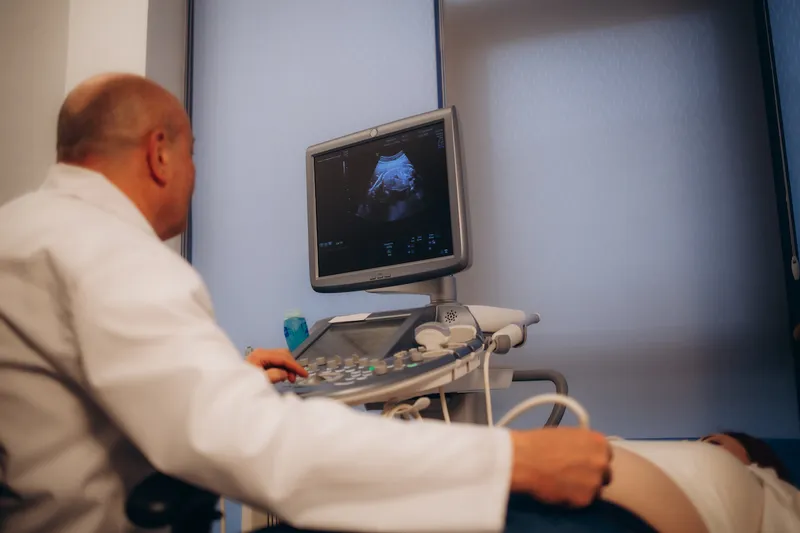
Your provider may use an EKG in the office or a heart monitor you wear at home to catch a rhythm that comes and goes. An echocardiogram, an ultrasound of the heart, can show the heart's size, pumping and valves.
Treatment options
FCCI offers board-certified electrophysiology, a specialty focused on heart rhythm disorders. Depending on your situation, treatment can include:
- Medicines to control heart rate or rhythm
- Blood thinners to lower stroke risk, when appropriate
- Procedures to treat the rhythm, done by a rhythm specialist
- Other options to lower stroke risk for some patients who cannot take blood thinners long term
Your Orange Park provider can start your care and connect you with FCCI's electrophysiology team if you need a rhythm specialist.
Helping your heart rhythm day to day
Good blood pressure control, treating sleep apnea, limiting alcohol, staying active and keeping a healthy weight can all help. FCCI also has sleep medicine specialists, which can help when poor sleep and heart rhythm problems go together.
When to call 911
AFib can feel scary without being an emergency, but some moments do need 911: chest pain or pressure, fainting, severe shortness of breath, or stroke warning signs like one side of the face drooping, a weak arm or trouble getting words out. People with AFib should know those stroke signs by heart. Call right away, skip the car ride, and let paramedics start care en route.
Heart care close to home in Clay County
If AFib symptoms are bothering you, the FCCI Orange Park office at 1465 Kingsley Ave can see you without a trip across the river. Dr. Youssef Al-Saghir leads the Clay County team and serves as cardiology chair at HCA Florida Orange Park Hospital. Patients come in from Fleming Island, Middleburg and Green Cove Springs, and FCCI accepts Medicare, Tricare and most other major insurance.
Questions to ask your provider
- Is my heartbeat problem AFib or something else?
- What is my stroke risk?
- Do I need a blood thinner?
- Should I see a rhythm specialist?
A neighborly word from the Clay County team
Living with AFib goes better when you and your care team compare notes. You notice when your heart feels off, and they know how to read the rhythm. Keep track of what you feel, bring your list to your visit, or call the office if a question cannot wait.
Ready to talk with a heart doctor close to home? If your heartbeat has felt off, let's take a look. Call the FCCI Orange Park office at 904.644.0092, Monday to Friday, 8 a.m. to 5 p.m., or use the appointment request form (contact details only, please). We are at 1465 Kingsley Ave, Orange Park, FL 32073.