The flu is more than a bad week in bed when you have heart disease. It puts extra strain on the heart and can raise the chance of a heart attack or a heart failure flare in the days after you get sick. Getting a yearly flu shot, washing your hands and knowing the warning signs are the simplest ways for Clay County heart patients to stay safe this season.
This is general information, not medical advice. Ask your own doctor what is right for you.
Why the flu is hard on the heart
When you have the flu, your body fights the infection with fever and inflammation. Your heart has to beat faster and work harder. Fever and dehydration can also make the blood a bit thicker and drop your blood pressure.
For a healthy heart, that extra work is usually fine. For a heart that is already dealing with narrowed arteries, a weak muscle or a rhythm problem, it can be enough to tip things over. That is why heart doctors take flu season seriously.
Who should be extra careful
- People with coronary artery disease or a past heart attack
- People with heart failure or a weak heart muscle
- People with heart valve disease
- People with AFib or other rhythm problems
- Adults over 65
- Anyone with diabetes, lung disease or kidney disease along with heart concerns
Not sure if your condition puts you in this group? Our heart conditions page covers the problems FCCI's Orange Park office treats.
The flu shot: a simple step
Health experts recommend a yearly flu shot for most adults, and especially for people with heart disease. The shot is made to protect against the flu strains expected that season, so last year's shot does not carry over.
You can usually get one from your primary care doctor or a local pharmacy in Orange Park, Fleming Island, Middleburg or Green Cove Springs. If you have questions about how it fits with your heart medicines, ask your doctor or pharmacist. Fall is a good time, but getting it later in the season is still better than skipping it.
Everyday habits that help
- Wash your hands often, especially before meals
- Stay home when you are sick, and ask sick visitors to wait
- Keep taking your heart medicines unless your doctor says otherwise
- Drink fluids when you have a fever, unless you have been told to limit them
- Read labels on cold and flu medicines; some decongestants can raise blood pressure or heart rate, so ask a pharmacist which ones are safe for you
- Get rest and do not push through heavy chores while sick
If you have heart failure
Weigh yourself each morning while you are sick. Sudden weight gain, new swelling in your legs or feeling more short of breath lying down can mean fluid is building up. Call your doctor's office if you notice these changes.
Know the warning signs
Flu symptoms and heart symptoms can overlap, which can make it hard to tell what is going on. Call 911 right away for:
- Chest pain, pressure or squeezing
- Severe shortness of breath or trouble breathing
- Fainting or nearly fainting
- A racing or very irregular heartbeat with dizziness
- Face drooping, arm weakness or slurred speech
Do not drive yourself. Our guide on chest pain and when to call 911 explains more.
After you recover
If the flu left you more tired or short of breath than usual for more than a couple of weeks, or you noticed palpitations or swelling, book a follow-up. A cardiologist can check that your heart is back on track. Our page on when to see a cardiologist lists other reasons to call.
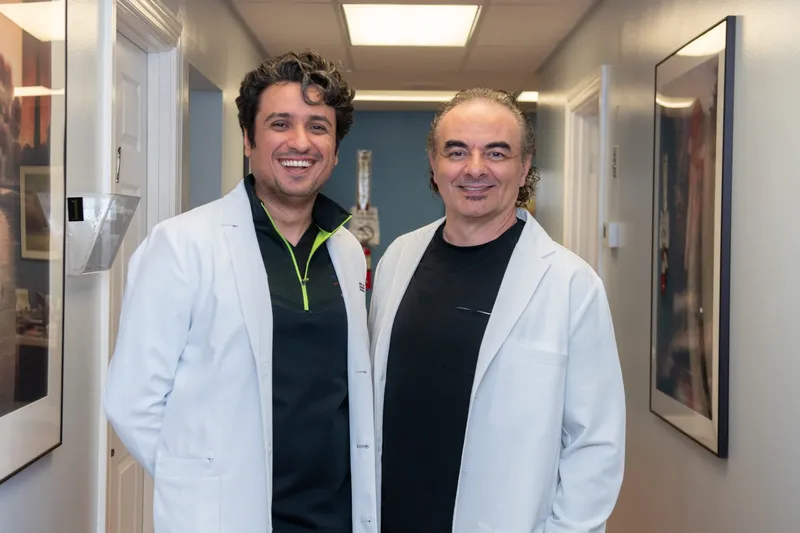
FCCI's Clay County office at 1465 Kingsley Ave is led by Dr. Youssef Al-Saghir, MD, FACC, FSCAI, FABVM, who also serves as cardiology chair at HCA Florida Orange Park Hospital. If you ever need hospital care, FCCI's doctors cover most hospitals in Northeast Florida, 24 hours a day, 7 days a week.
Quick answers
Can the flu cause a heart attack?
It can raise the risk, especially in the days right after you get sick and in people who already have heart disease. That is why the flu shot matters so much for heart patients.
Is the flu shot safe if I have heart disease?
For most people with heart disease, health experts recommend it. If you have questions about your own situation, ask your doctor.
Should I stop my heart medicines while I have the flu?
No, not on your own. Keep taking them and call your doctor's office if you cannot keep pills down or feel dizzy.
Want your heart checked before or after flu season? Call FCCI Orange Park at 904.644.0092, Monday to Friday, 8 a.m. to 5 p.m.